


Dental kinesiology, a question of harmony
Does the harmony between muscles, joints, and teeth influence our patients’ oral and general health?
Dental Kinesiology answers this question positively. It studies and analyzes jaw movements and the muscle relationships related to dental occlusion, chewing, and other oral functions.
Through a multidisciplinary approach, dental kinesiology seeks to identify and treat dysfunctions in the masticatory system that may contribute to dental occlusion problems, temporomandibular joint (TMJ) disorders, and other orofacial conditions.
By integrating knowledge from various areas of science, dental kinesiology allows us to thoroughly analyze our patients’ masticatory systems, helping to improve the quality of our dental and orthodontic care.
Thus, through a thorough assessment and a multidisciplinary therapeutic approach, our professionals are able to provide effective solutions for a wide range of dysfunctions and pathologies, promoting better oral health and an excellent quality of life.
Tools and methodologies in dental kinesiology
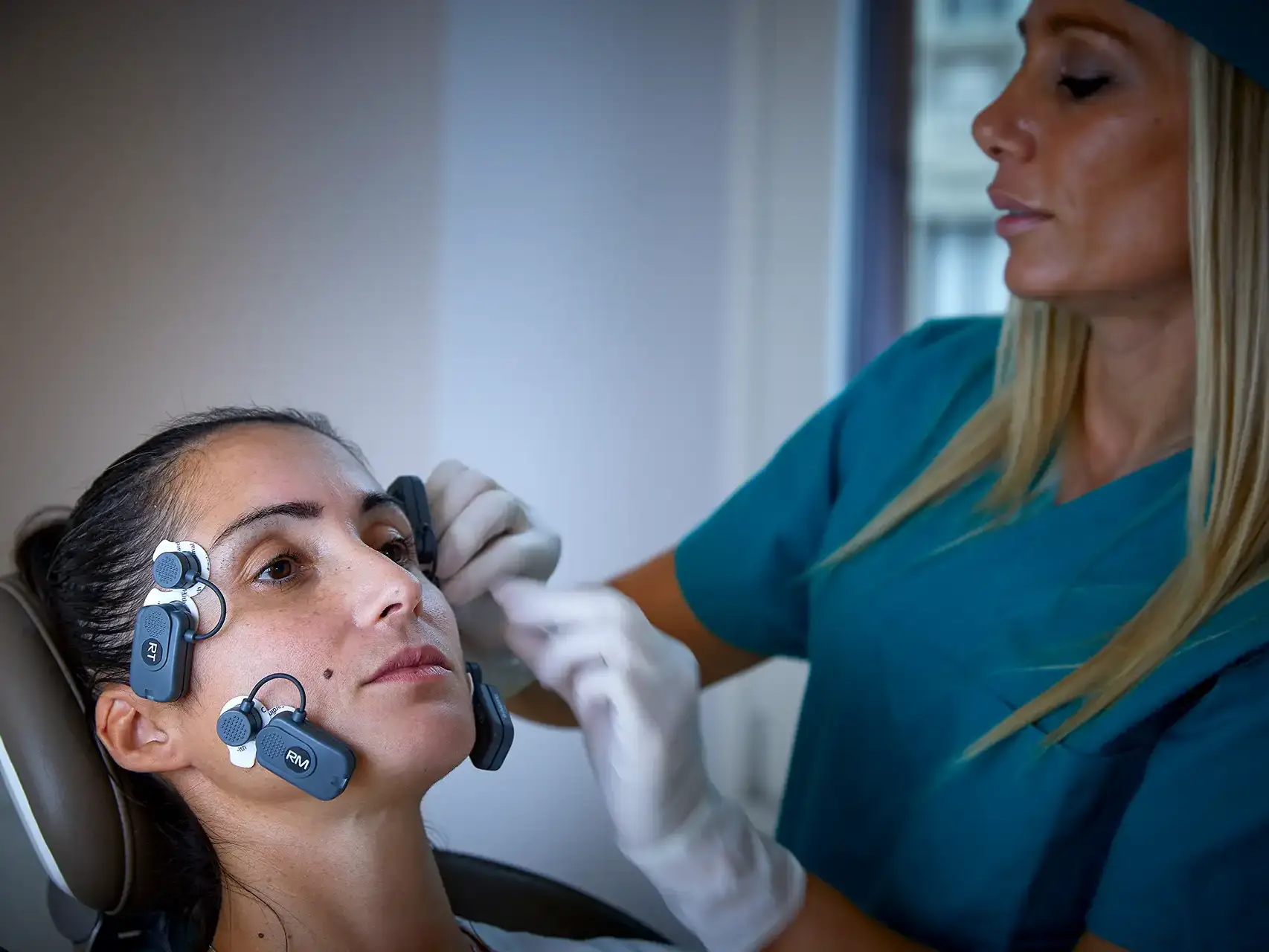
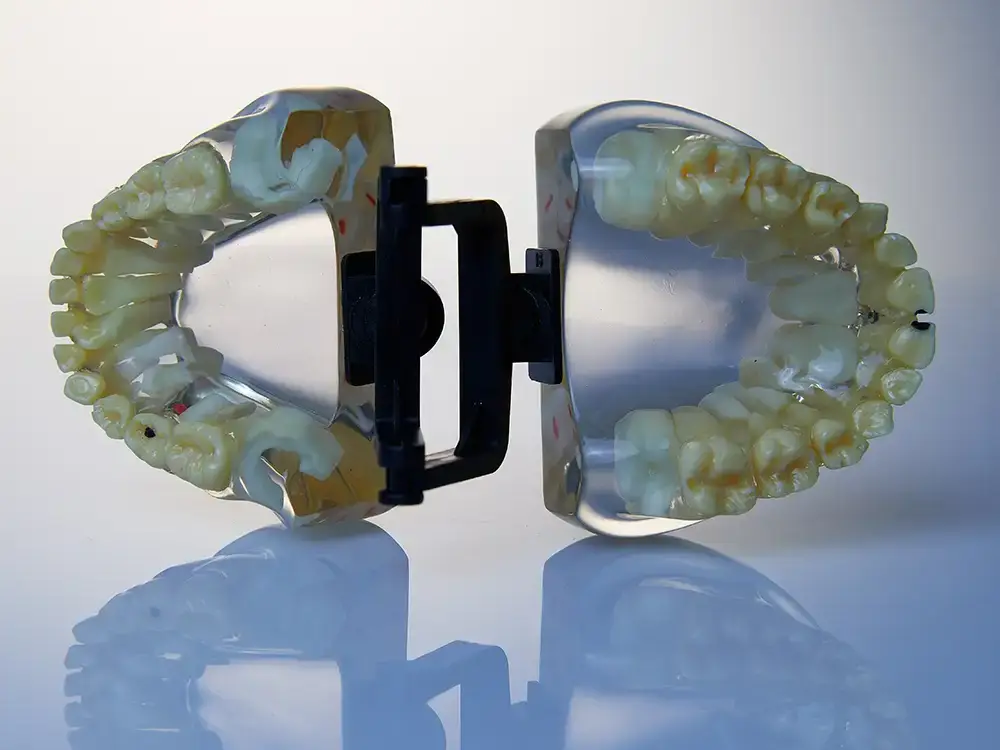
Thanks to Dental Kinesiology, we can use various tools and methodologies to analyze the function and dynamics of the masticatory system. Some of the most common include devices for recording mandibular movements, electromyographic analyzers for assessing muscle activity, and computerized jaw tracking devices.
These technologies allow our professionals to obtain precise data on jaw movement patterns, muscle function, and the interaction between teeth during occlusion.
This crucial information allows us to diagnose dysfunctions and plan effective dental treatments.
The benefits of dental kinesiology in orthodontic treatment
The kinesiological approach can be particularly useful in orthodontics. By thoroughly analyzing the dynamics of the masticatory system, our professionals can plan even more effective and personalized orthodontic treatments.
Understanding the role that the muscles and temporomandibular joint play in dental occlusion can help us make clinical decisions, such as choosing the type of orthodontic appliance or the orthodontic treatment plan to propose to our patients.
Furthermore, this discipline can help us prevent or manage complications related to temporomandibular joint dysfunction or muscle problems during orthodontic treatment.
Dental kinesiology and treatment of temporomandibular joint dysfunction
Temporomandibular joint disorders (TMJ) are common conditions that can cause pain and limited movement in the orofacial region. This is precisely where we address these issues, using dental kinesiology: this discipline can play a key role in the diagnosis and treatment of these problems.
Through a detailed kinesiological assessment, our dentists can identify abnormalities in jaw movement, muscle tension, and other functional irregularities that may be contributing to temporomandibular joint symptoms.
In sostanza, si tratta di un approccio che ci consente un trattamento più mirato verso i nostri pazienti. Correggere le disfunzioni e alleviare i sintomi è infatti possibile anche grazie all’ausilio di terapie fisiche, apparecchi ortodontici o interventi chirurgici.
Everything always with full respect and well-being of the patient.
Book an appointment
Fill out the form with your details indicating your needs and hourly availability. You will be contacted immediately to schedule an appointment.